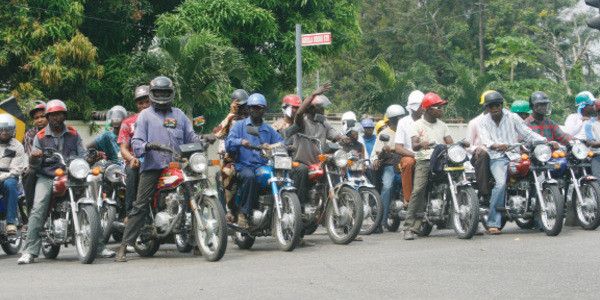
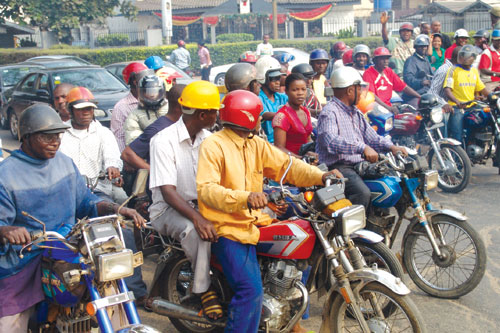
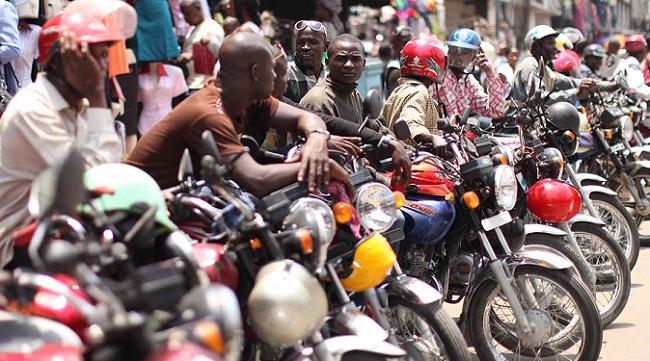
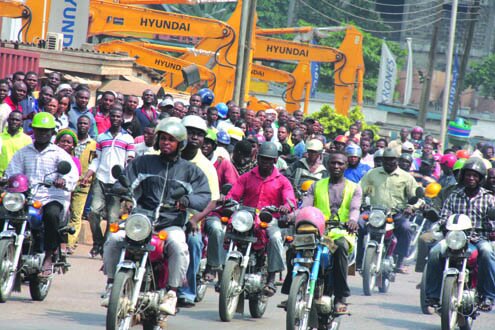
The Okada business in Ghana began modestly around 2008 in front of Korle-bu Teaching Hospital. It was born out of the observation that daily commuters faced long waits and struggles for transportation at Korle-bu main station and nearby bus stops. A group of initially five individuals, including Mallam Awudu, Maxwell Addo, and others, seized this opportunity to provide motorbike taxi services to destinations like Accra, Tema station, James Town, and more. Within months, their team grew to 20 members, using motorbikes colloquially called "Rubber, Rubber" or "shaminiogbo" in Ga, meaning "continue to till we die."
By 2010, as their service expanded, they transitioned to using more durable home-use motorbikes called Voltaic, inspired by similar businesses in neighboring Togo (known as Zemijas) and Nigeria (referred to as Okadas). The membership swelled to over 100 riders, prompting the government's notice. In 2012, concerns over security led to the government declaring their operations illegal, triggering widespread police harassment. Strategies were developed to evade these challenges, such as keeping motorbikes out of sight until passengers were secured.
Despite setbacks, membership soared to over 500 by 2014, prompting a bold demonstration at Osu Castle to petition the government. The protest led to arrests and subsequent legal intervention, demonstrating their determination to fight for their livelihoods. In subsequent years, membership surged to nearly 4,000 riders across Greater Accra and beyond, even as harassment continued under shifting political promises.
In 2019, the promise of legalization from presidential candidate John Dramani Mahama renewed hope, with pledges to regulate and support the Okada business. This promise galvanized support for the opposition party NDC in the 2020 elections, despite competing promises from the ruling NPP. The ongoing struggle includes demands for safer operations, including electronic bike conversions, training programs, and IT support for data management.
Today, the Okada Union remains resilient, navigating political promises and police challenges as they strive to secure their place in Ghana's transportation landscape.